
Despite all the rigorous safeguards, there’s still a lot of confusion about how clinical research really works
🎙️ In the latest episode of Active Ingredient, we sit down with Natalya Rabinovich, IPHARMA’s general director, to dig into:
✅ How clinical trials actually work behind the scenes
✅ Why the placebo effect is studied in trials
✅ How researchers balance patient safety with real treatment benefits
🎧️ Tune in or watch the new episode on all major platforms:
📱 VK-video
📱 YouTube
📱 Telegram
📱 Apple Podcasts
Category: Без рубрики
As a contract research organization (CRO), we have successfully completed a multicenter, double-blind, randomized, placebo-controlled Phase II study of the drug DMB‑I (latrepirdine) in patients with mild to moderate dementia due to Alzheimer’s disease. The study included patients aged 60–90 years who were receiving standard maintenance therapy with memantine, which allowed for an objective assessment of the additional contribution of DMB‑I to improving cognitive function and overall clinical status. After 26 weeks of treatment, DMB‑I at a dose of 60 mg/day demonstrated statistically significant efficacy compared with placebo based on validated scales (primarily ADAS‑cog), as well as a favorable safety profile with no severe or life-threatening adverse events. The results obtained confirm the potential of DMB‑I as a promising option in the treatment of dementia due to Alzheimer’s disease and provide a basis for conducting further larger-scale clinical trials (https://www.nature.com/articles/s41598-026-49538-4)
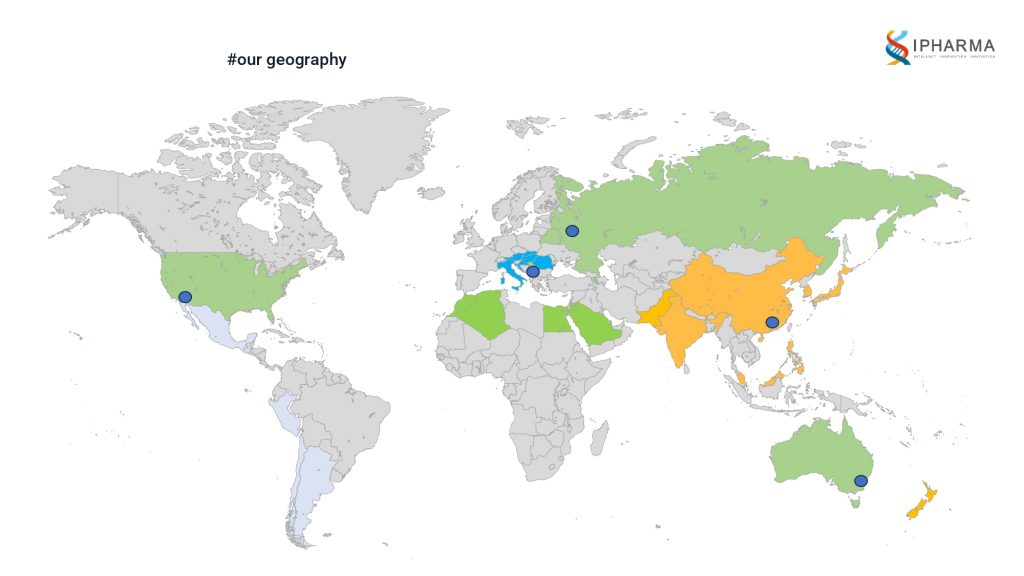
IPHARMA, a company specializing in clinical trials, continues to expand its partner network. With the new arrangements, the company will be able to conduct studies in more than 25 countries.
IPHARMA offers a wide range of services in the field of clinical research. The company’s central services, such as data management and biostatistics, have established themselves as competitive units in international studies. The high quality of work and professionalism of employees have allowed the company to win the trust of partners and clients.
The expansion of the partner network will enable IPHARMA to involve more participants in clinical trials and offer new opportunities for collaboration. It will also contribute to the development of science and medicine, as well as improving the quality of people’s lives.
Clinical trials play an important role in the development of new medicines and treatments. They allow us to evaluate the efficacy and safety of new technologies, which is essential for their introduction into medical practice. IPHARMA is committed to contributing to the development of this important area of activity.
By expanding its partner network, IPHARMA will be able to offer its customers a wider range of clinical trial opportunities. This will improve quality and efficiency, as well as provide a higher level of customer service.

It is impossible to imagine modern medicine without radiological methods of diagnostics and treatment of patients. Radiotherapy consists of a treatment of ionizing radiation and is most frequently used in oncology for treatment of malignant tumors. Radiotherapy, in conjunction with surgical and drug treatments such as chemotherapy, hormonal therapy, immunotherapy and target therapy, is one of the main treatment methods of malignant tumors.
The purpose of this method is in local, targeted implementation of ionizing radiation on the tumor, which allows to reach deep tissue tumors. During this process, healthy tissues near the deep tissue tumors are also affected however healthy cells regenerate after a certain amount of time, while cancer cells die. This is the principle and aim of radiotherapy.
There are three main types of radiotherapy:
- Contact therapy, during which the radiation source is in direct contact with the patients’ tissue (also known as brachytherapy);
- Remote therapy, when the source is at a certain distance from the patient;
- Radionuclear therapy, during which the radiopharmaceutical substance is injected into the patient’s blood.
Only radiopharmaceutical substances which can develop a strong link to the tumor are suitable for therapy. These substances are known as carriers with high affinity to the tumor, and can precisely direct radiation dosages at the tumor and its metastases, minimizing the effect on healthy tissues and organs. The main advantage of radionuclear therapy compared to other cancer treatment methods is that it can precisely affect the cancerous regions, which reduces the side effects.
To register a radiopharmaceutical substance, it is mandatory to conduct pre-clinical and clinical trials. Let’s take a look at their characteristics.
Pre-clinical and clinical trials of radiopharmaceutical substances are similar to trials of chemotherapy drugs:
- Since radiopharmaceutical substances are highly toxic, healthy volunteers do not participate in phase I trials. Patients with the corresponding illnesses participate instead.
- In trials of both radiopharmaceutical substances and other chemotherapy drugs placebo is usually not used since it would be unethical for the patients.
However, unlike other drugs, RPS are radioactive, which introduces certain specifics to their study and administration.
- RPS are direct radiation sources, which means that they affect their surroundings, the patient, medical personnel and those who produce them. Therefore, it is necessary to strictly follow the federal law “About radiation safety of the population”.
- Radioactivity negatively affects biological systems, so in medicine radionuclear substances with a short-half life are particularly valued, which reduces the time of the patient’s exposure to them.
The production of radiopharmaceutical substances must be efficient and be located in proximity to the medical center where they will be used to treat patients. It is important to precisely organize the logistics of RPS from the production location to the research center, bearing in mind that the activity of the drug is reduced by the minute. Often, the drug is logged not by weight but by level of its activity in megabecquerel (MBq).
Clinical trials of radiopharmaceutical substances are some of the most complicated types of studies, which is due to both the specifics of the illness, and the characteristics of RPS.
iPharma has successful experience in conducting clinical trials with RPS, obtaining all the necessary permits in compliance with the main sanitary requirements of assurance of radiation safety (MSRARS) and organizing the logistics. In order to successfully conduct RPS trials, it is crucial that the medical personnel, RPS developers and the clinical research organization (CRO) work in tandem.
We continue to improve our IT solutions for organizing and conducting clinical trials (CT), while remaining open to sponsors. Our goal is to increase the sponsor’s confidence that the study is proceeding as planned.
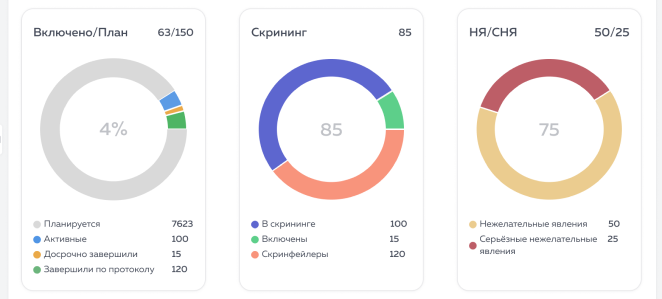
IPHARMA has developed a new service that allows employees of sponsor companies to monitor the progress of clinical trials. The platform is integrated with the system of electronic collection and analysis of participant data and provides information on participant enrollment, undesirable and serious adverse events, responses to inquiries and completion of individual registration cards.
The service is called “Sponsor’s Dashboard” and is available as a one-stop shop for quick and convenient access to study data. Employees of the sponsoring companies can track up-to-date information and promptly respond to any changes.
The platform provides an opportunity to view data in both raw and aggregated formats. This makes it possible to use them for internal corporate reports and to provide them to the company’s management.
Data in raw format represent raw information obtained from an electronic data collection system. They can be useful for detailed analysis and understanding of specific aspects of the study.
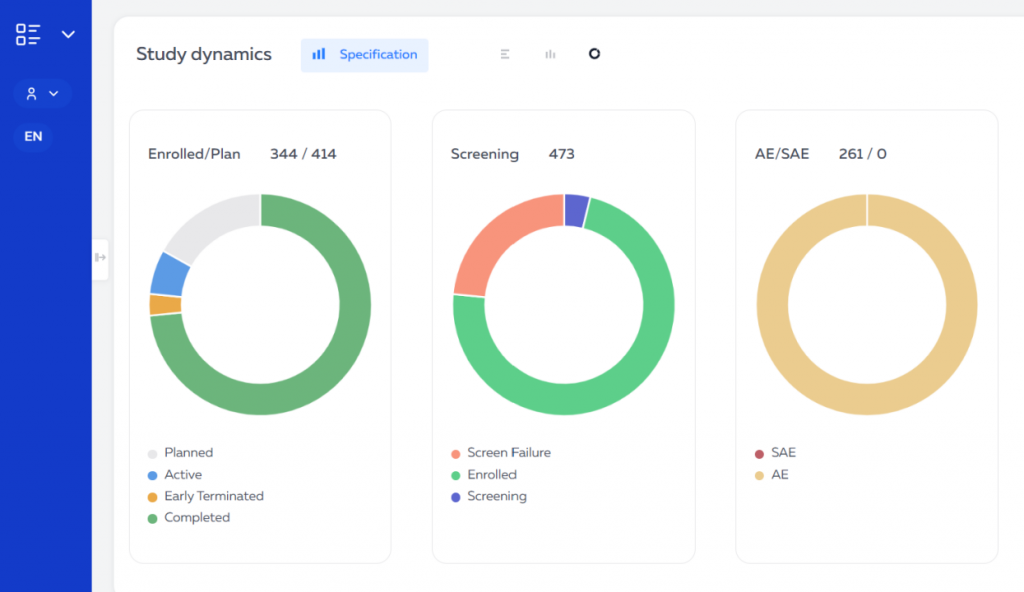
Aggregated data are summarized information that can be useful for quickly reviewing the progress of a study and identifying general trends.
Thanks to the new service, employees of sponsoring companies are able to focus on discussing specific issues with the project manager, rather than spending time searching for and analyzing information about the progress of the study.
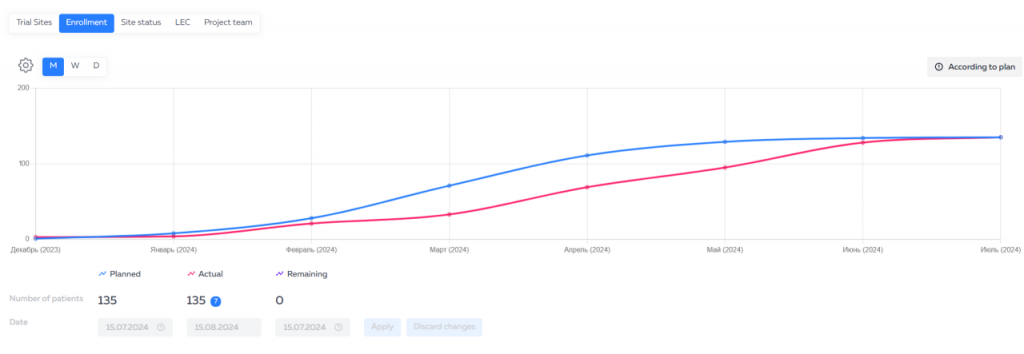
This innovative solution from IPHARMA significantly simplifies the process of controlling clinical trials and increases the efficiency of the sponsoring companies’ employees. The service has already received positive feedback from the first users and continues to evolve to provide even more convenient tools for trial management.
How does the service work?
Employees of the sponsoring companies have access to the platform through a web interface. They can view various indicators of study progress, such as enrollment, adverse events, responses to inquiries, and completion of individual enrollment cards.
For ease of use, data is presented in dashboards – dashboards that provide a quick overview of study progress on key indicators. Dashboards can be customized to your needs by selecting the necessary indicators and filters.
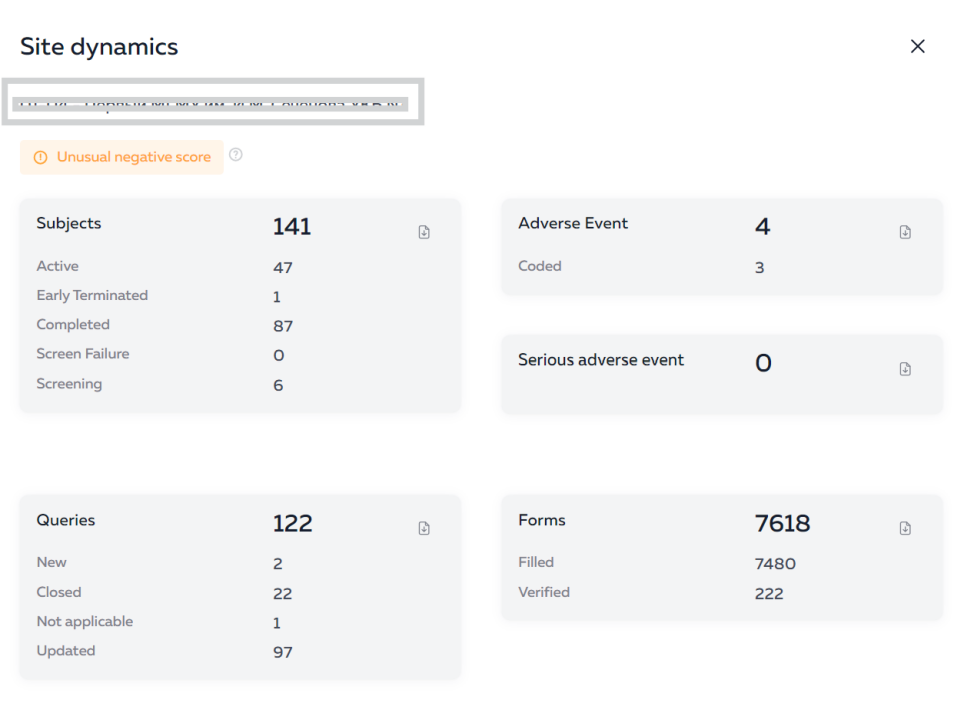
Thus, the new service from IPHARMA is a convenient tool for monitoring the progress of clinical trials and increasing the efficiency of the employees of sponsor companies.
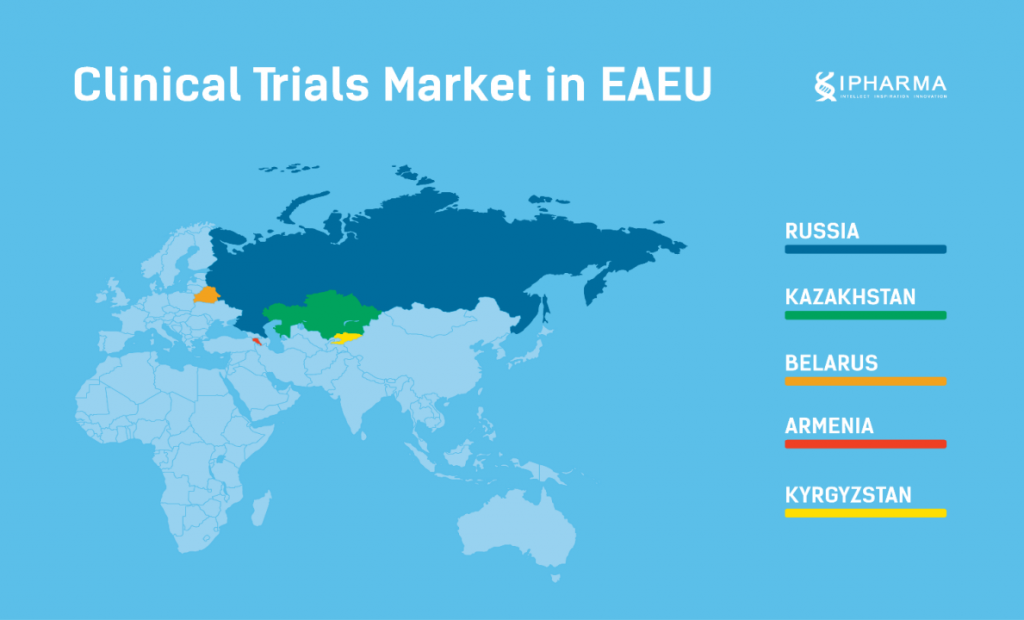
The Eurasian Economic Union (EEU or EAEU) continues to improve legislation for conducting clinical trials and registering medicines on its territory.
There are leaders in the region in terms of the number of clinical trials conducted, such as Russia and Belarus. These countries have a large number of experienced research sites, convenient regulatory environment and developed infrastructure for conducting clinical trials.
In addition, there are a number of countries where the clinical trials market is in the initial growth stage. Due to harmonization of processes between countries, this market is expected to grow strongly.
The region has a distinct advantage over other countries in conducting clinical trials. Russia and Belarus remain leaders in the EAEU in terms of the number of trials conducted due to the following factors: large patient pool, low costs for services and remuneration of the investigators, favorable regulatory environment, high qualification of investigative teams and clinical trial specialists working in CROs and sponsor companies.
Let’s take a closer look at these advantages:
- Availability of a patient pool. EEU countries have a centralized healthcare system, so patients with the same diseases are seen in specialized hospitals, which makes it easier to find them. At the same time, patients have high adherence to follow the procedures of the clinical trial protocol because of regular medical check-ups. The limited capacity of the healthcare system for certain diseases, such as oncology and orphan diseases, also plays a role.
- A large number of experienced investigative teams. EEU countries have teams with experience in conducting international clinical trials and passing FDA and EMA inspections. The cost of services and remuneration of medical professionals and investigators in these countries is significantly lower than in Western Europe and the USA.
- Favorable regulatory environment. For example, in Russia, taking into account the planned changes in legislation, it takes 31 working days to obtain approval to conduct a clinical trial, and up to 5 working days to obtain permission to import an investigational drug and export biosamples. From the moment documents are submitted to the Ministry of Health until the first patient is included in the study, it can take only 3 months, which is quite common.
- Developed medical infrastructure. The region has research sites capable of conducting complex clinical trials that include a large number of diagnostic and invasive procedures. This is especially true for such complex studies as oncology, oncohematology and autoimmune diseases.
Statistics from international clinical trials in Russian (before 2022) confirm these advantages:
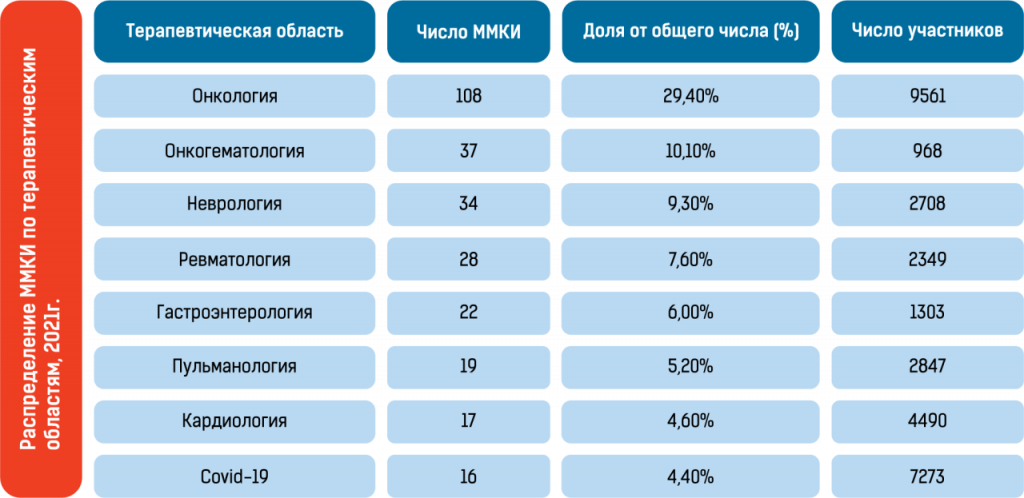
In summary, the availability of a large patient pool, a centralized healthcare system, high patient adherence to the protocol, large research sites with advanced infrastructure, and short approval periods for clinical trials allow for faster patient recruitment and shorter overall clinical development timelines.
iPharma, together with our partners, launched the first international clinical trial in Australia. This is a significant event for the company, which opens new perspectives and opportunities for growth on the international market.
iPharma is a company which specializes in development and production of innovational medical drugs. We have extensive experience, including participation in international project management, data management and biostatistics. These allow iPharma to feel confident on the international market and compete with leading companies in the sector.
The launch of the first clinical trial in Australia is an important step for iPharma. It will allow us to broaden its geographical presence, attract new partners and investors, as well as consolidate its positions on the global market.
The clinical trial, launched by iPharma in Australia aims to study the effectiveness of a new medical drug. The trial is conducted in compliance with international quality and safety standards. The results will be published in scientific journals and presented at international conferences.
We are certain that the launch of the first clinical trial in Australia will be the first stage of iPharma’s development as an international company. We are ready for cooperation with new partners and are open to new ideas and projects.